Protection & Encapsulation
Conformal Coating & Potting
Apply customer-approved coating and potting to protect electronics within the finished unit, under a controlled, inspected process.
- Customer-approved materials
- Masked and inspected
- Records with the unit
Request a quote
Request a Box Build Scope Review
Send your drawing, BOM or idea — we reply with a practical Box Build scope review.
Where Coating and Potting Fit in a Box Build
Conformal coating and potting protect electronics against moisture, dust, chemicals and vibration once the PCBA is integrated into the assembly. As a Box Build step, they are applied to a customer-approved design, with the coverage areas, keep-outs, material and cure defined in scope — not chosen by assembly.
This keeps the quotation honest: the protection requirement and its performance target stay with the customer's design, while the masking, controlled application, cure and inspection that produce a repeatable result are handled here. New to the model? Start with what Box Build assembly is.
Materials and Coverage Are Customer-Defined
We apply the approved material to the approved areas. The type — acrylic, silicone or polyurethane conformal coating, or epoxy or polyurethane potting — coverage map, keep-out zones, thickness target and cure method are supplied or agreed during scope review. We do not substitute a general coating claim for the customer's specific approved material and performance definition.
Masking, Application, Cure and Inspection
The process runs to defined hold points. Connectors, test points, mating surfaces, adjustment features and labels are masked to the approved drawing before coating. Application follows the approved method and thickness; cure follows the material's defined method and time. After demask, coverage, cleanliness and any thickness checks are inspected against the approved criteria before the unit continues.
Before application
Confirm material identity and batch, coverage and keep-out map, masking plan, thickness target and cure requirements.
After application
Demask, inspect coverage and cleanliness, confirm cure, record checks, and route non-conforming units for disposition.
Potting and Encapsulation
Where a module, connector or sub-assembly requires full encapsulation, potting fills a defined cavity with an approved compound to a defined level, with mix ratio, pot life, fill method, cure and any degassing handled to the approved process. Because potting is largely irreversible, the cavity definition, fill level, embedded components and inspection method are confirmed before production so a unit is not committed on an assumption.
Verification and Records
Coating and potting steps sit inside the finished-unit workflow, so any electrical or functional verification still follows the approved procedure through functional testing. The unit record can associate material and batch, coverage and thickness checks, cure confirmation and visual result. See how these connect to each unit under quality and traceability records.
Coating & Potting RFQ Inputs
Material definition
Approved coating or potting type, part identity, and any performance requirement owned by the customer.
Coverage and keep-outs
Areas to coat or pot, connectors and features to mask, and thickness or fill-level targets.
Process requirements
Cure method and time, mix ratio and pot life for potting, and any degassing or environmental controls.
Inspection criteria
Coverage, cleanliness, thickness and cure acceptance criteria and inspection method.
Records
Material and batch traceability, check fields, and failure workflow and acceptance authority.
Interfaces
Coordination with PCBA, enclosure and test so coating and potting do not block access or verification.
Include current revisions and identify incomplete items. The Box Build RFQ checklist provides the full product-level input list.
Conformal Coating & Potting FAQs
Do you select the coating or potting material?
No. Material identity, type and any performance requirement are defined and owned by the customer. We apply the approved coating or potting to the approved areas using a controlled process, and we do not infer environmental or electrical performance from application alone.
Which coating types can you apply?
Common customer-specified types include acrylic, silicone and polyurethane conformal coatings, and epoxy or polyurethane potting compounds. The approved material, coverage areas, keep-out zones, thickness target and cure method are set per project rather than assumed.
How are keep-out areas and connectors protected?
Masking is defined before application: connectors, test points, mating surfaces, adjustment features and labels are masked to the approved drawing. Masking removal, cleanliness and coverage are inspected as hold points before the unit continues.
What records come with a coated or potted unit?
The record can associate unit identity, material and batch, coverage and thickness checks where required, cure confirmation, and visual inspection result against the approved criteria. Failure handling defines disposition, authorized rework and retest.
Certified manufacturing systems
The manufacturing resources behind these Box Builds operate under independently audited, currently valid management-system registrations. The certificates below are the genuine documents — shown in full for verification rather than as institution logos. Product-level compliance for a specific device remains defined and owned by the customer.
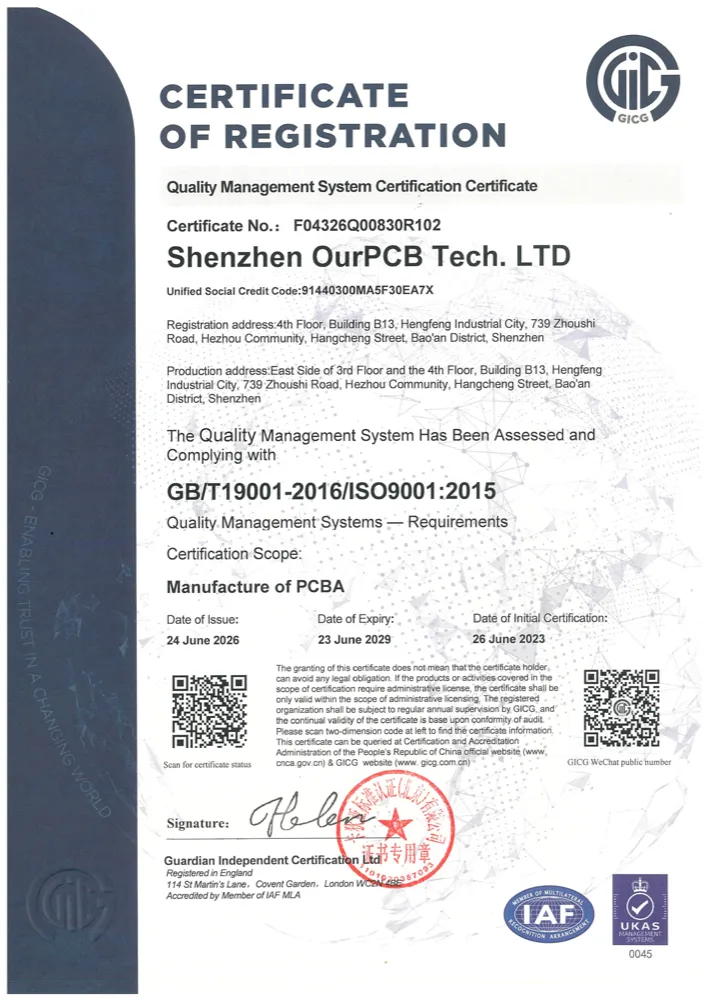
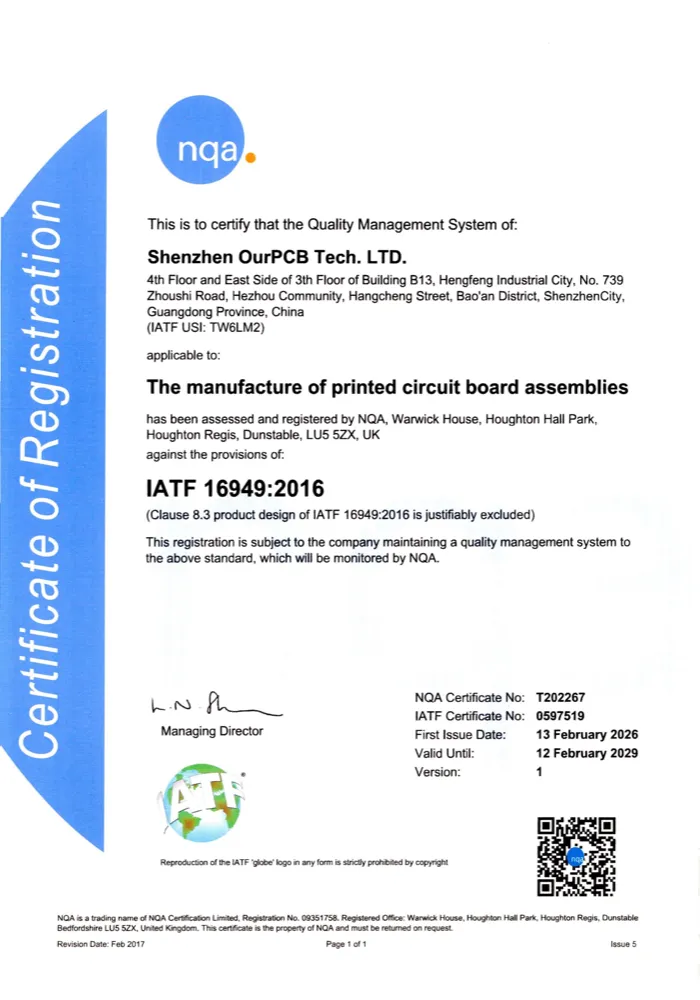
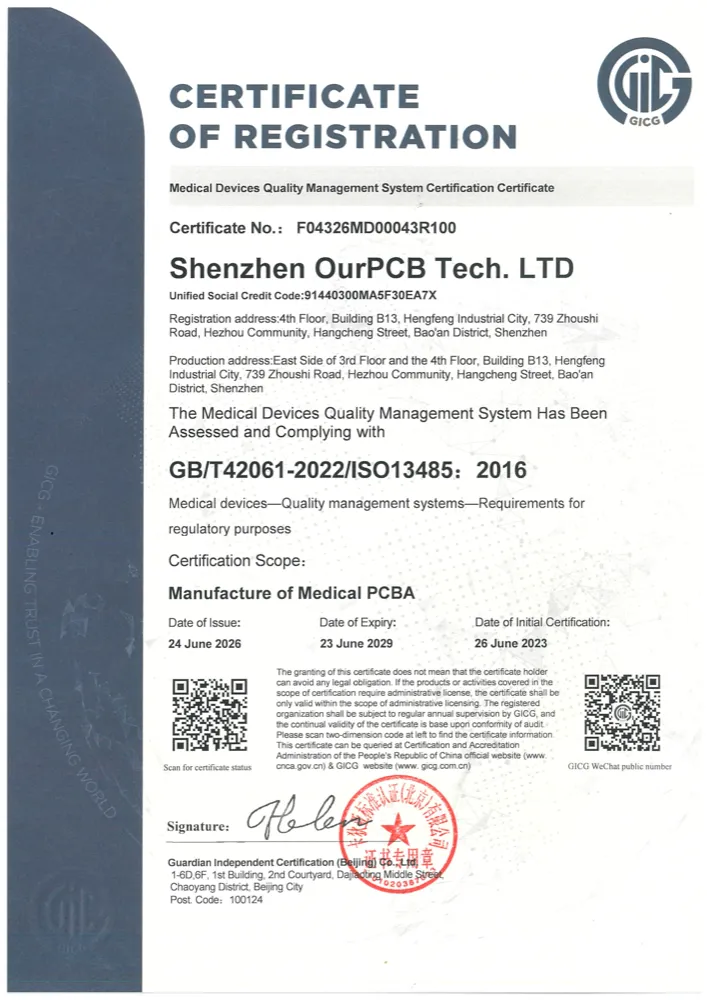
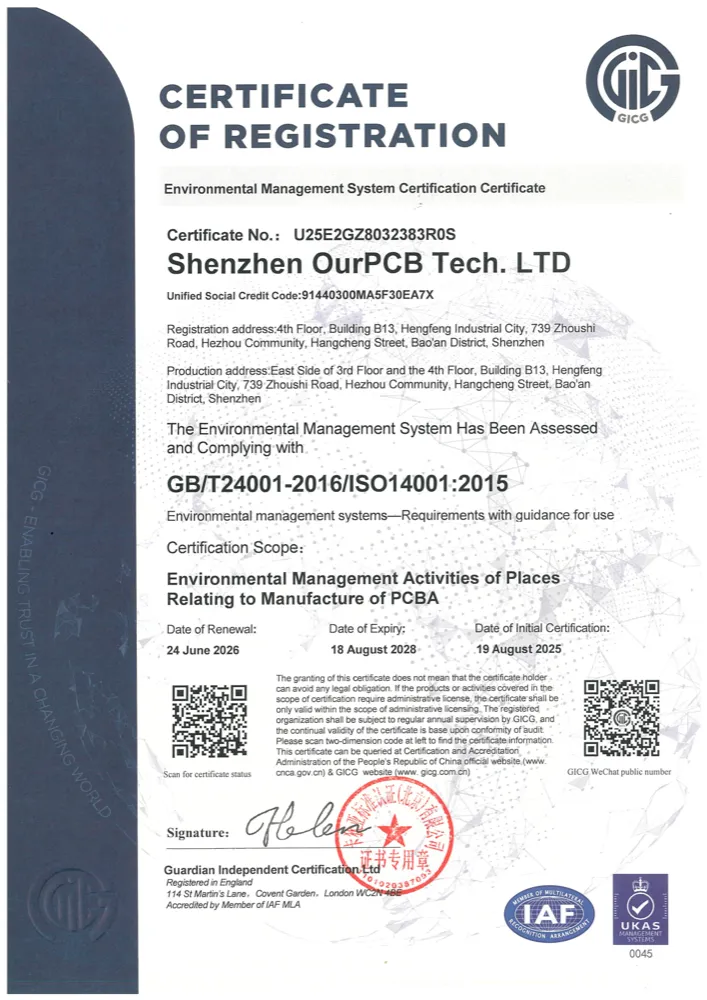
Certificates are issued to the operating manufacturing entity named on each document. Click any certificate to open the full-size scan.
Ready to Review Your Box Build Scope?
Have a BOM, assembly drawings, enclosure CAD, harness requirements or test procedure? Send what you have. We’ll confirm the Box Build scope, identify missing information and outline the next step before quotation.